Orality
Discipling and multiplying even where traditional methods can’t
Did you know…
It is estimated that over 70% of the 7,500+ Unreached People Groups (UPGs) today come from the world’s most illiterate communities—where people rely almost entirely on oral ways of learning, understanding, and transmitting truth.
If God is awakening faith among the least literate, would He not also be calling them to multiply His church and disciple others?
And if so, how will they be equipped?
Orality: Why do we need more than just stories?
For discipleship to be deeply rooted in the Word and churches to multiply, effective oral methodology goes beyond using stories exclusively to ensure believers grasp doctrine, theology, key discipleship concepts, and even leadership training clearly.
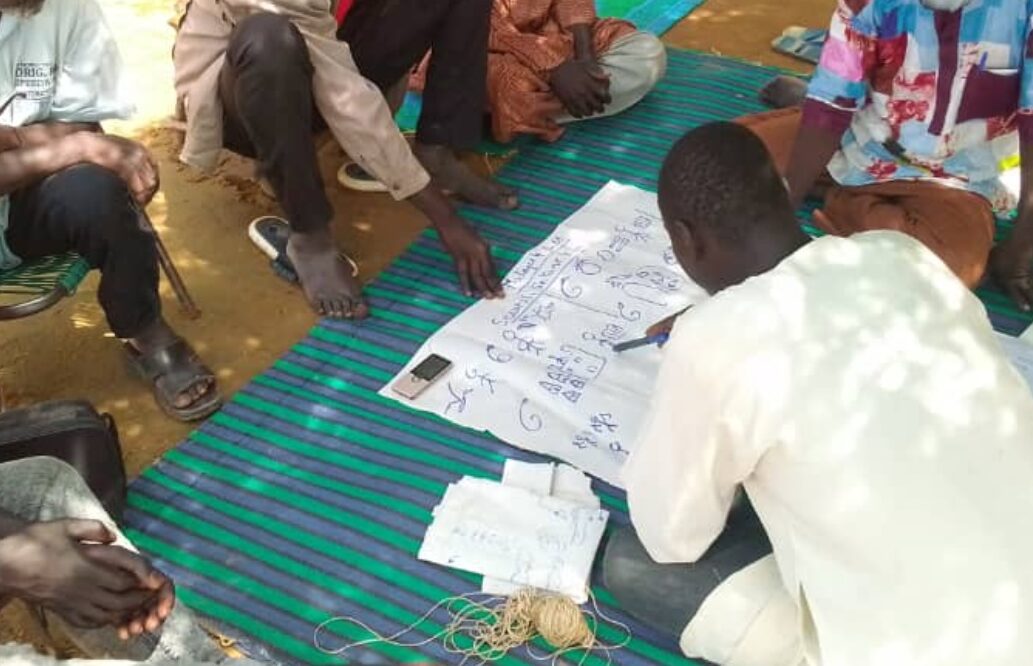
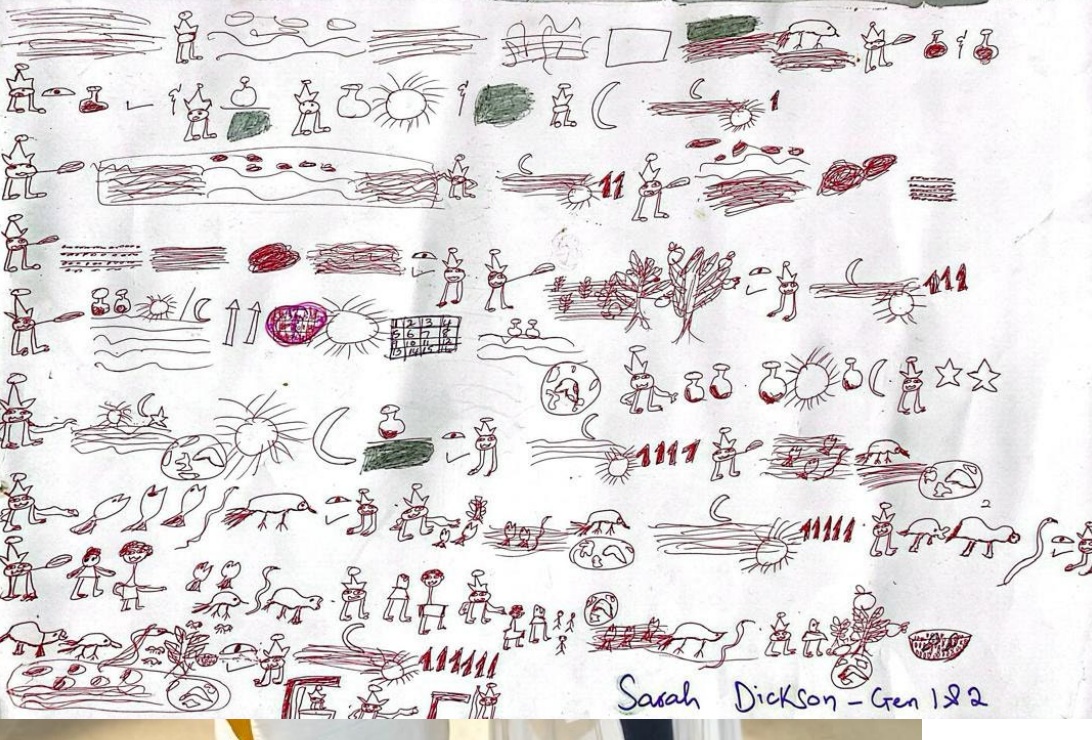
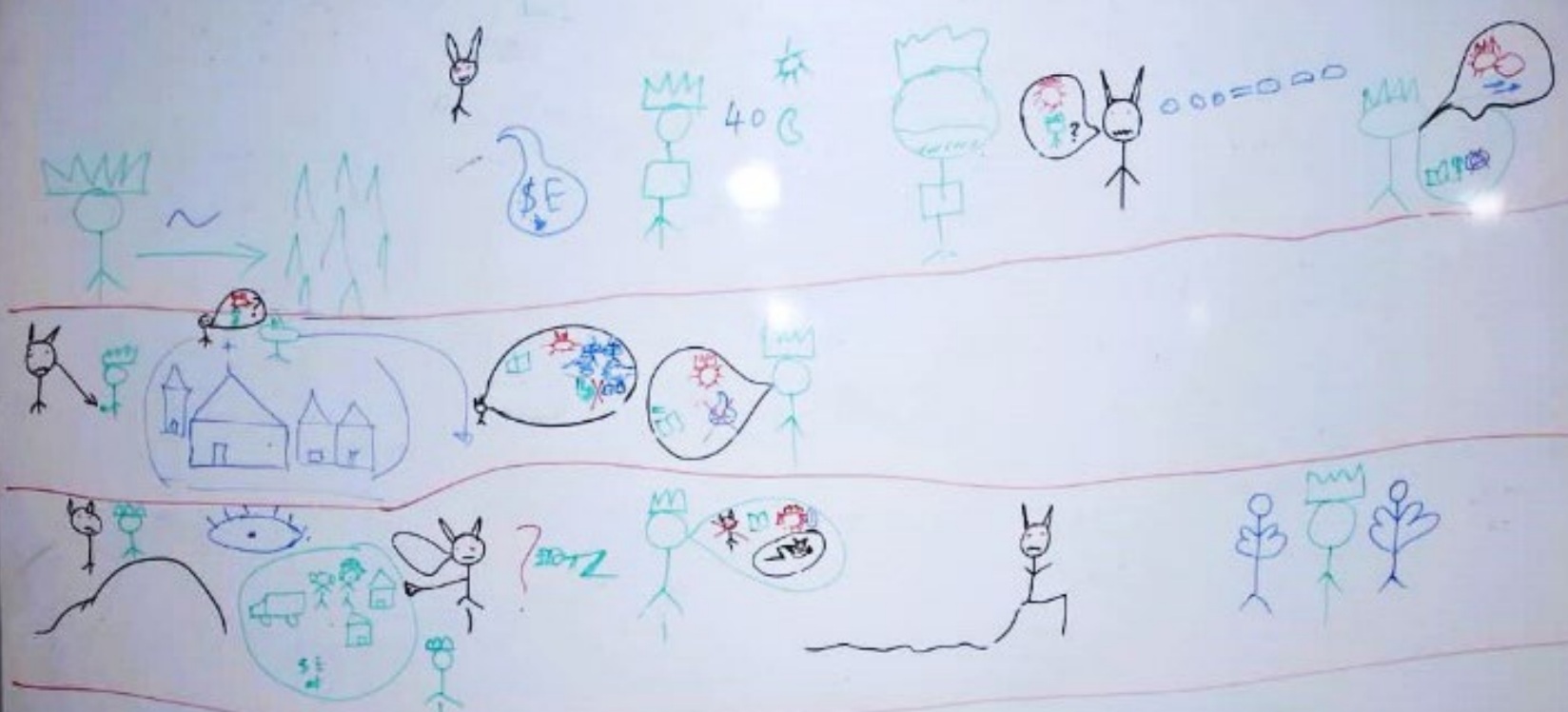
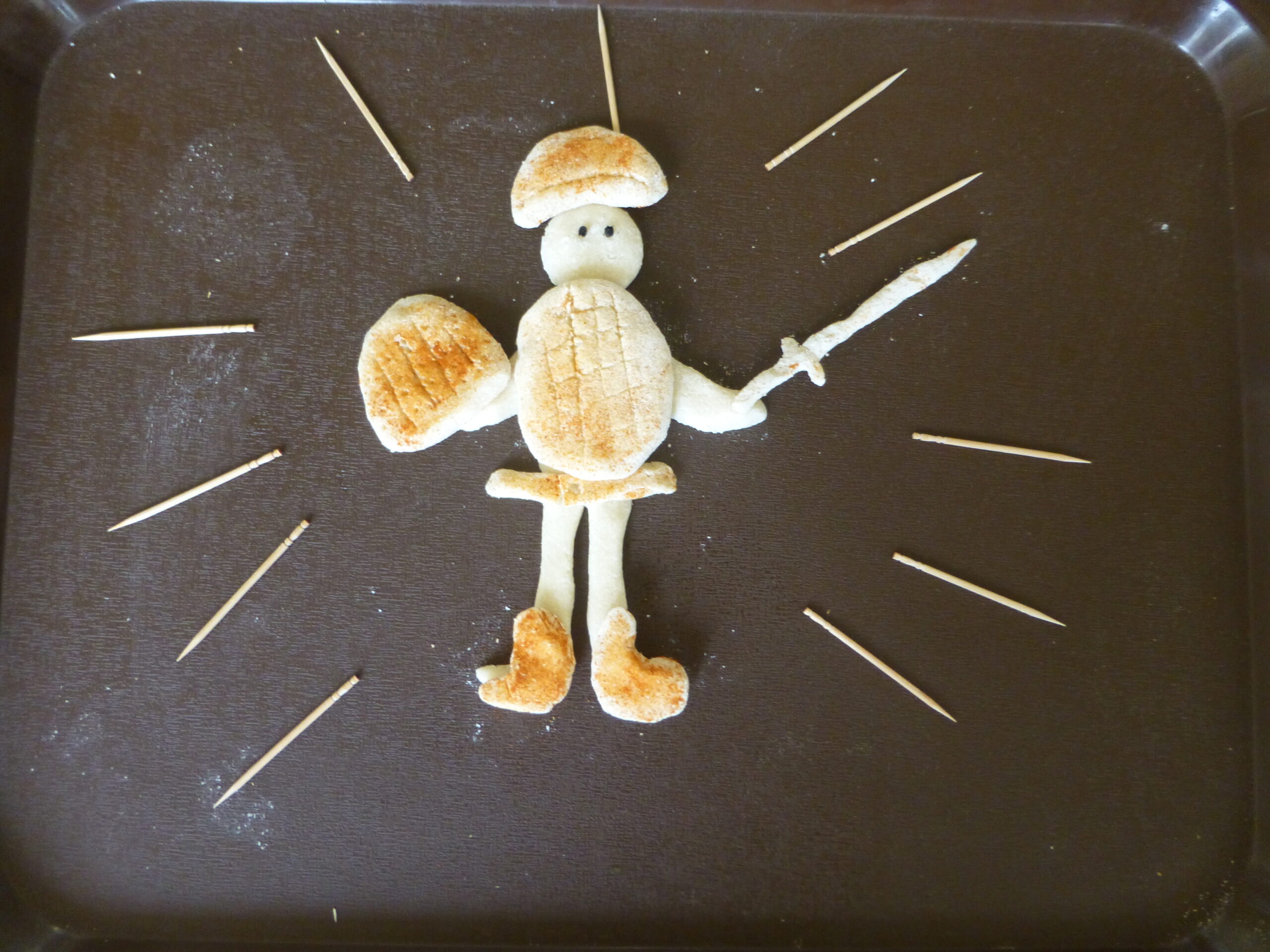
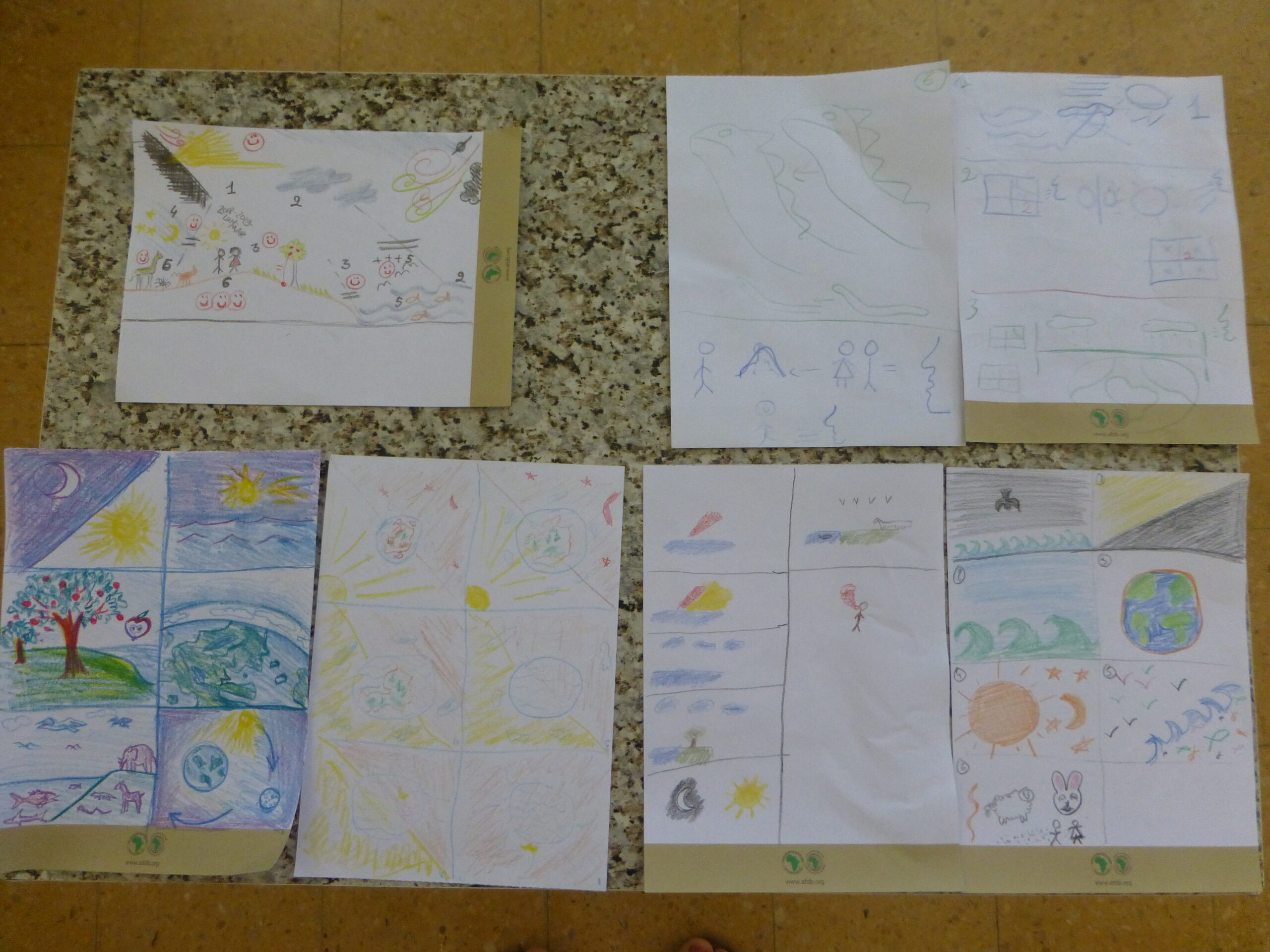
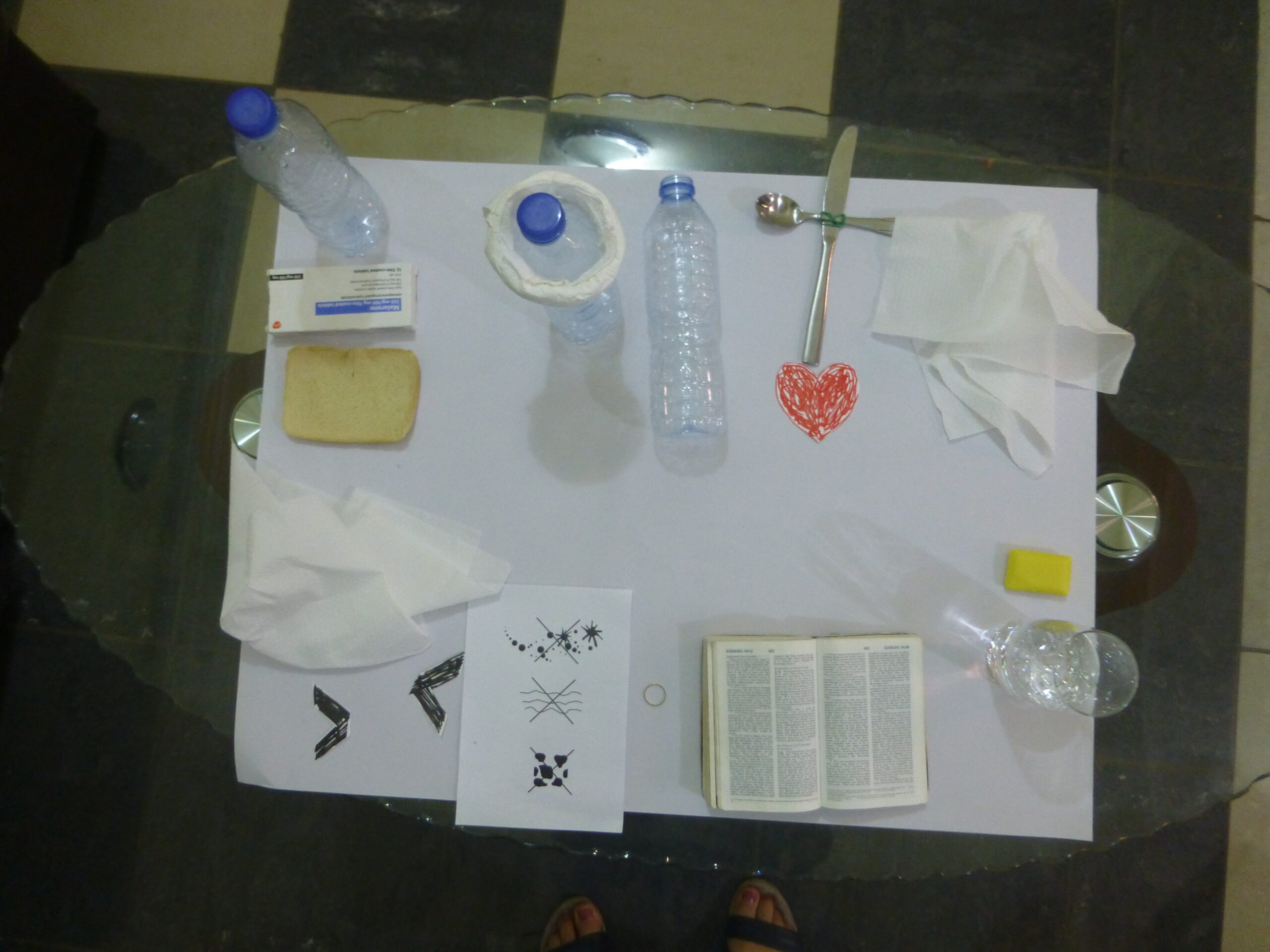
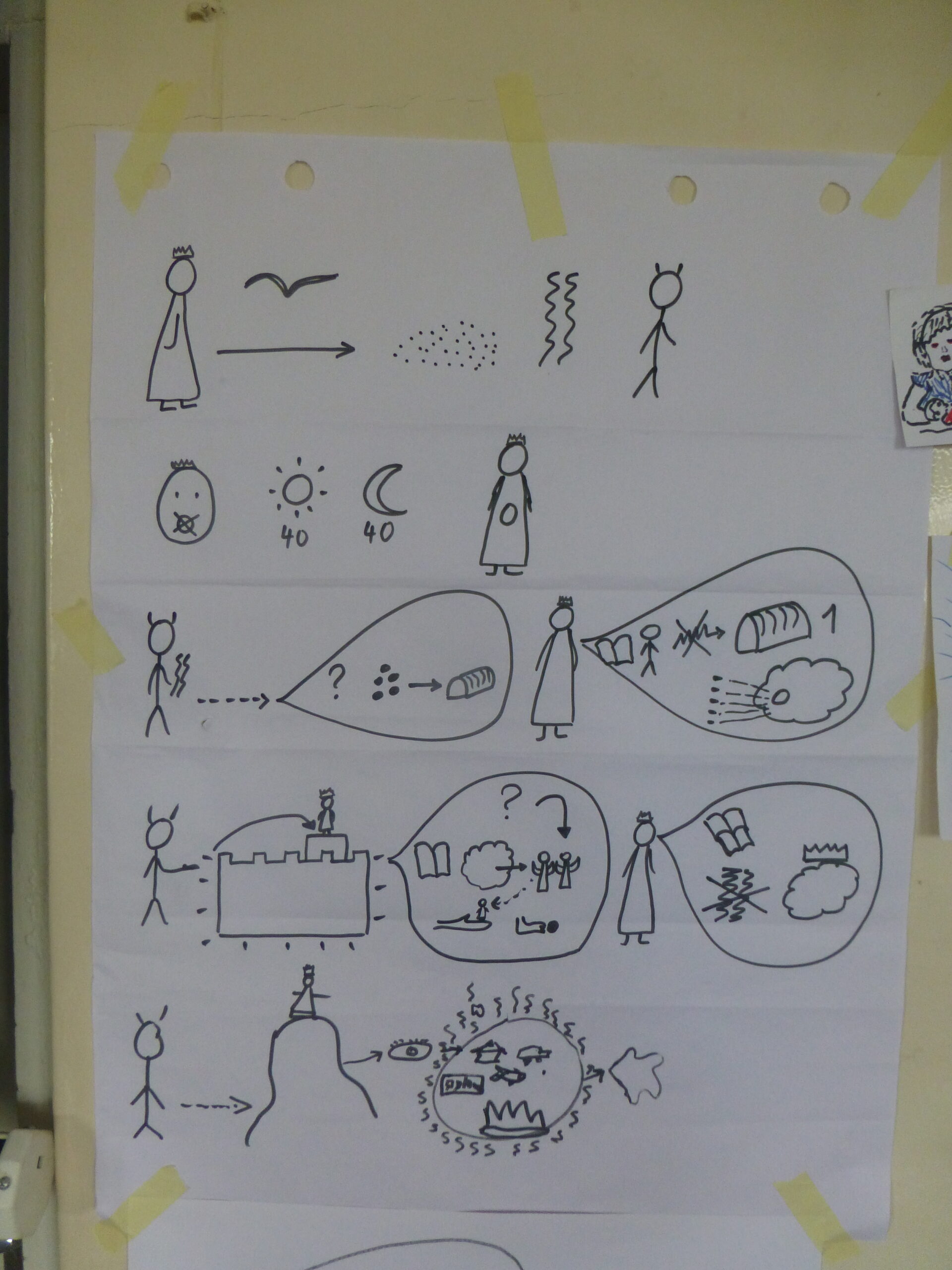
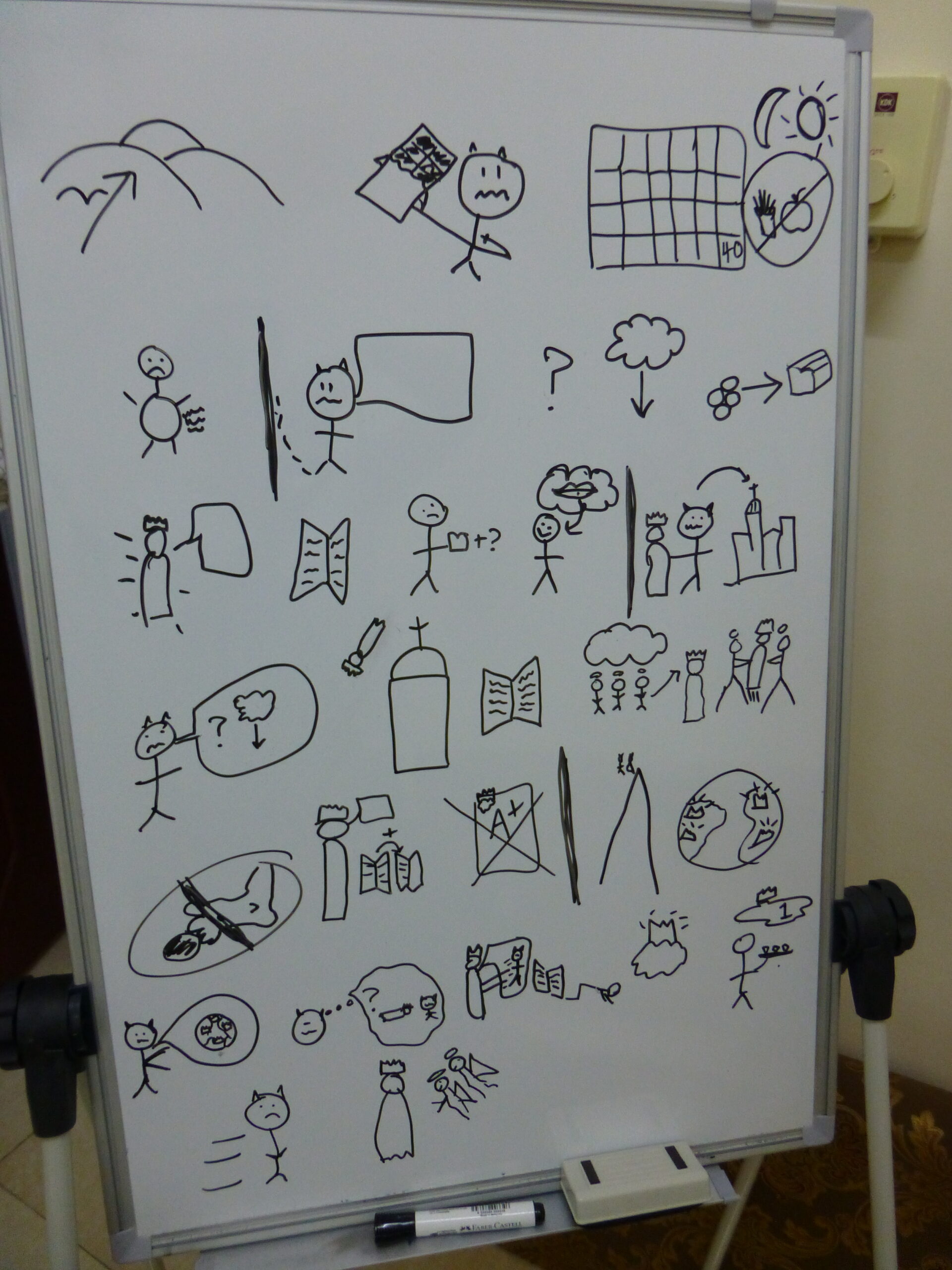
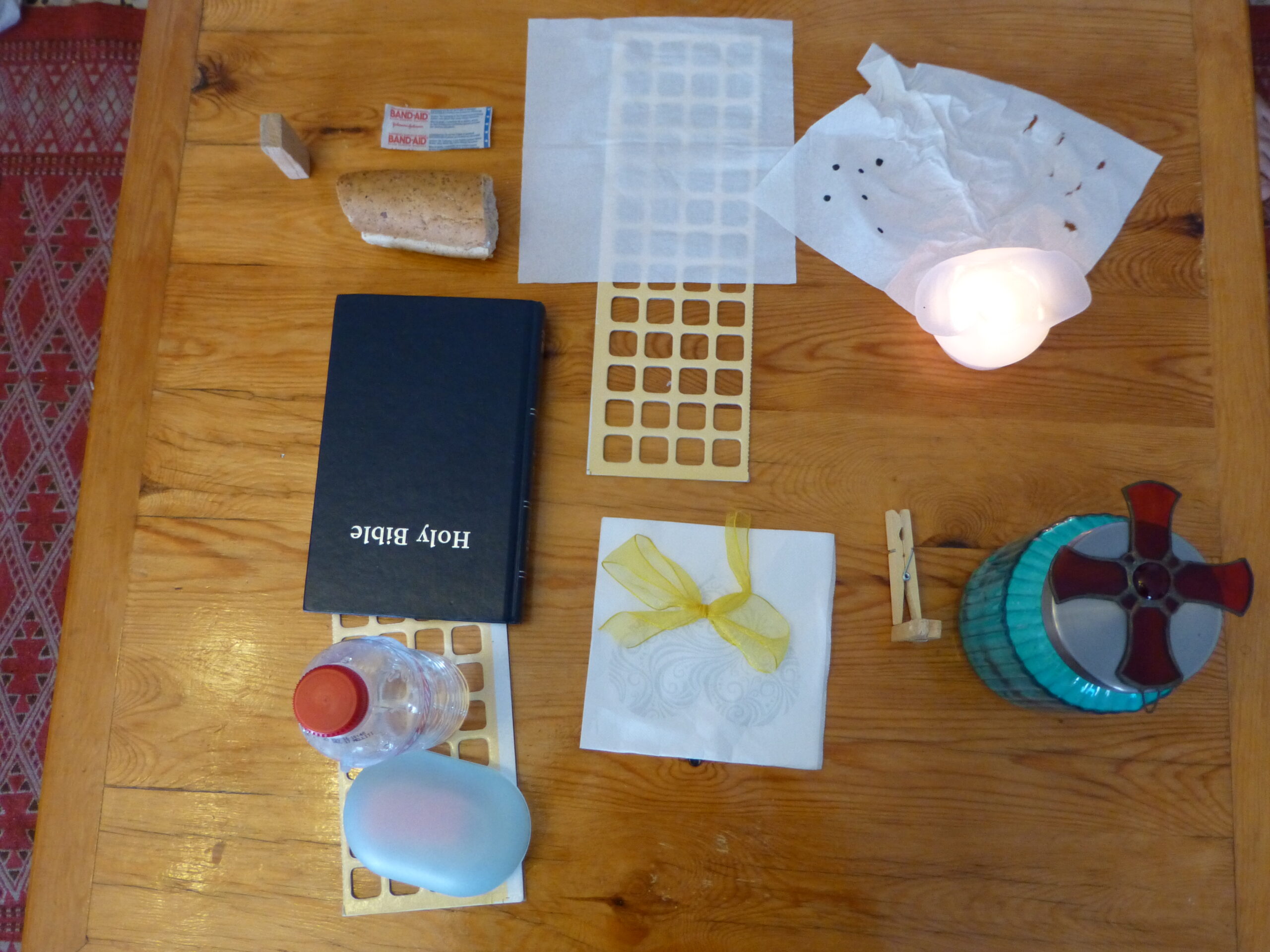
PALM has developed a simple, hands-on way to disciple oral learners—using drawings, drama, song movement, and everyday objects that make it easy to remember and share Scripture. These tools help people grasp not only Bible stories but also abstract biblical truths and core doctrines in concrete, meaningful ways.
Training Orality trainers who can train others
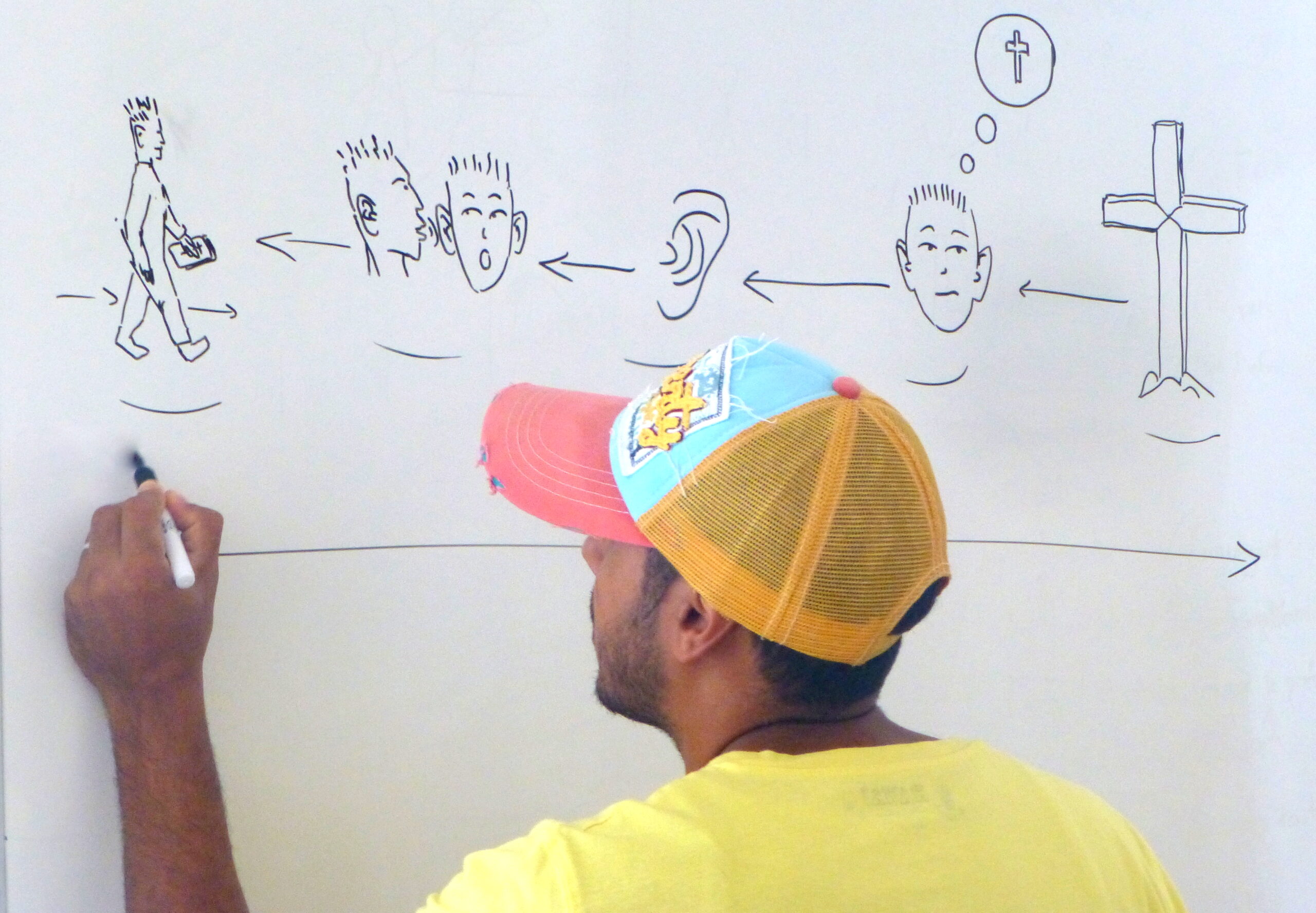
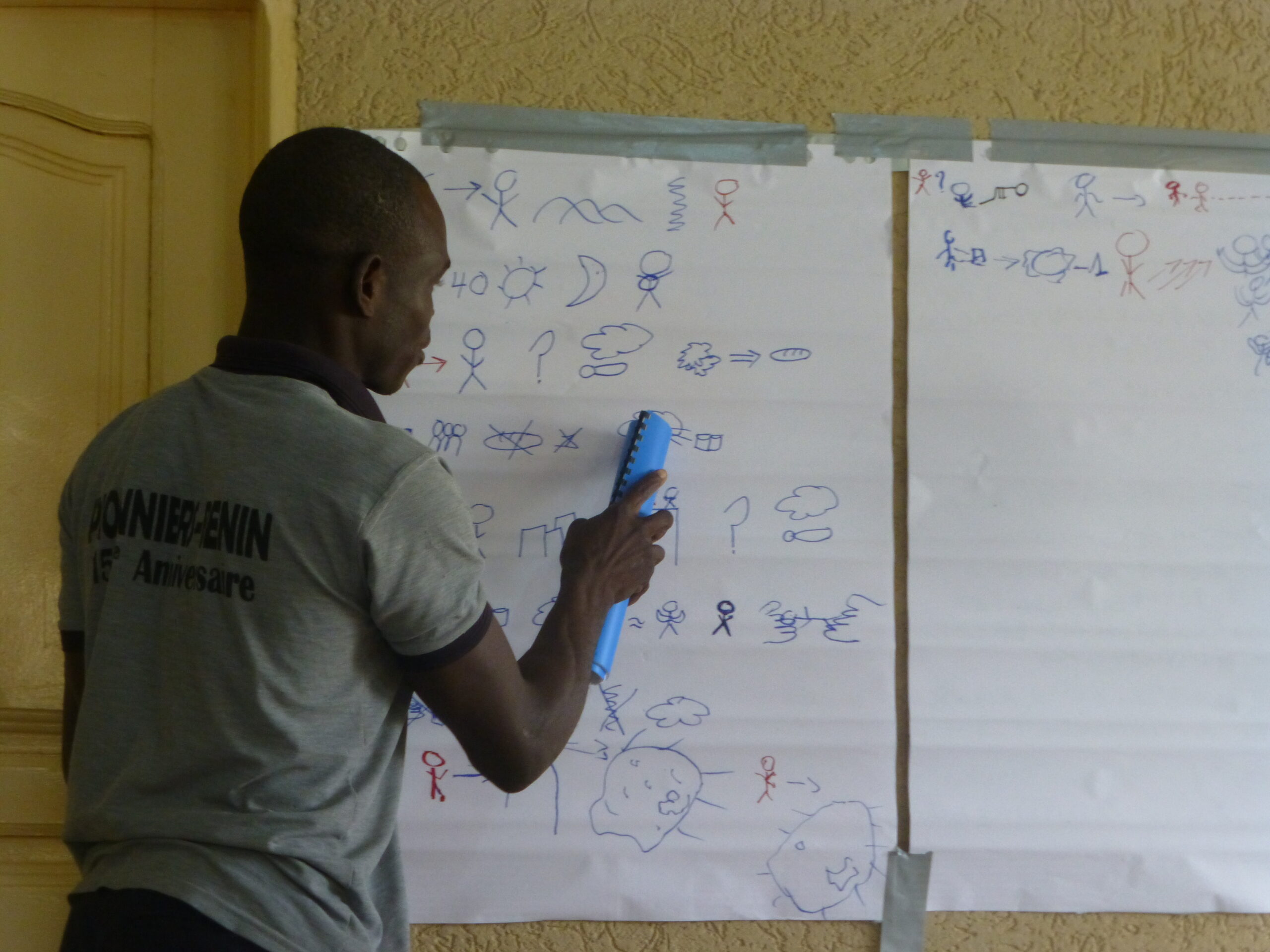
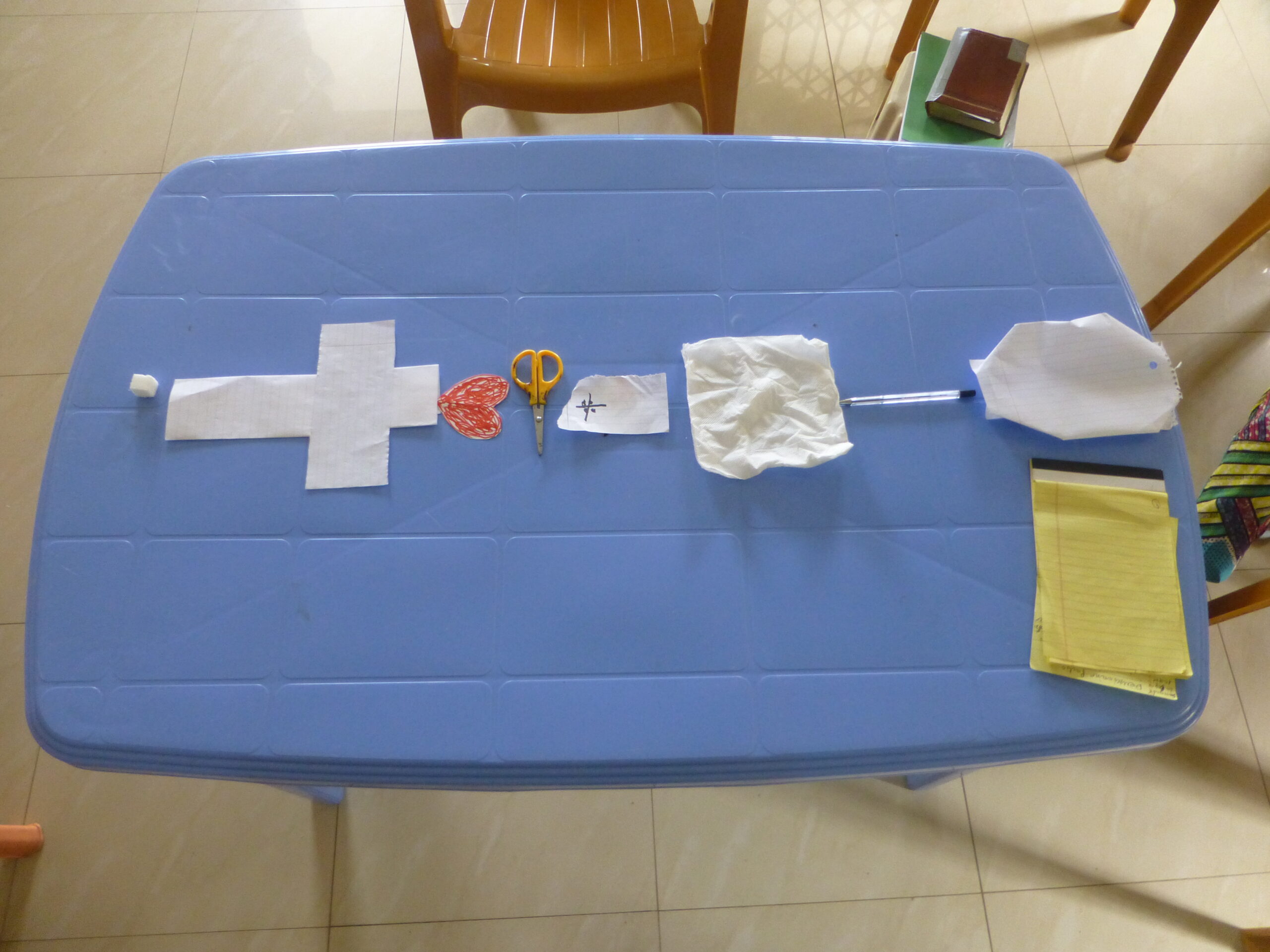
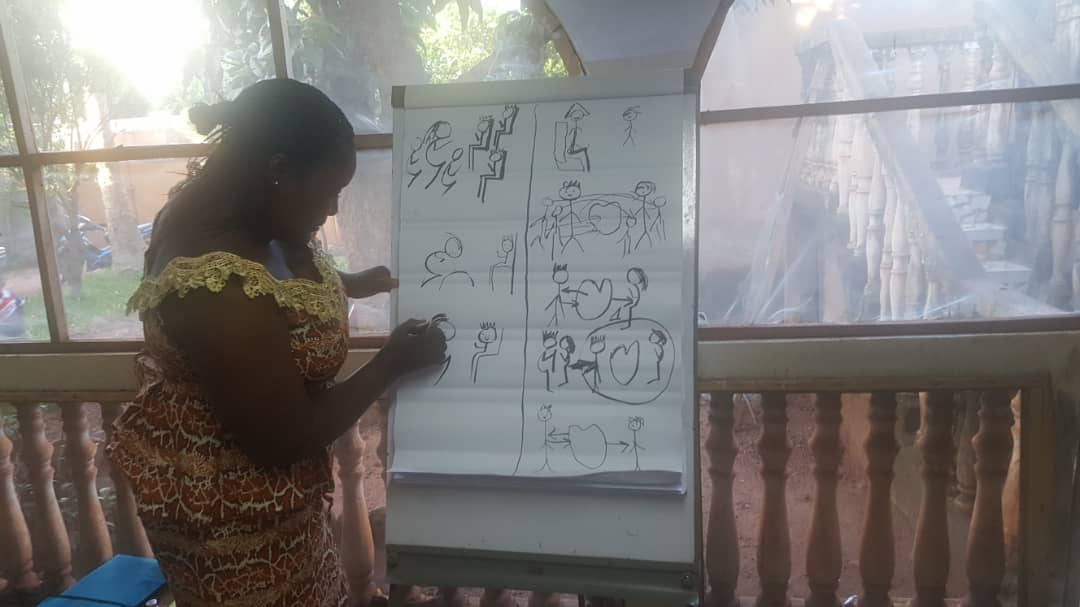
Life-changing testimonies
An elderly non-literate woman in Algeria, after successfully retelling a biblical passage through her own symbols, said:
“I thought I couldn’t learn. But now I know we can all learn! We are all equal, those who went to school and those who didn’t!”
A participant in an orality facilitator training in Nigeria shared:
“The programme has turned my life around. Definitely more people need to know about it.”
A trainer from Burkina Faso, trained in Lomé, described the impact on trainers themselves:
“Even for us, as trainers, the orality method has a very strong impact because we really discover a lot of truths in the Word of God… This is one of the comforting and striking factors for us…”
A church leader in Sierra Leone explained that only a third of the population can read and write, making oral teaching essential, and concluded that Level 1 Orality is an “excellent tool” for their context.
An illiterate new believer in rural North Africa, now a trainer of other illiterate women:
During one of our orality trainings, a group of women learned the story of Jesus’ temptation in the desert by using simple hand-drawn symbols. At first, many hesitated. One older woman quietly said she had never held a pen in her life. With trembling hands, she stood, gripped the pen, and drew her first symbol. The room fell silent as the others watched. She memorized and drew all the symbol that represented the story.
The trainer then invited her to retell the story. She spoke with clarity and confidence—then suddenly began to weep. Through tears she said, “I thought I couldn’t learn. But now I know we can all learn! We are all equal—those who went to school and those who didn’t!”
The transformation didn’t stop there. The excitement grew so quickly that the women begged to continue the Bible studies every week. One participant from this training now teaches non-literate women every month in a rural church, helping them encounter Scripture in ways they never thought possible.
.
Literacy should not be a prerequisite for deep discipleship. By using communication forms that are already familiar within a culture—stories, songs, and drama—we can provide God’s word in a culturally relevant way.
Oral strategies enable significantly more believers from unreached people groups to not only understand the Word at their heart level, but also be equipped to lead and multiply the church.
.